A spectacular meteor shower is set to light up Britain’s skies this week, with stargazers being treated to dazzling celestial activity overhead.
The Orionid meteor shower will peak in the early hours of Thursday, offering Britons the best chance to catch the display between midnight and sunrise.
The shower has been active throughout October but will peak on October 22 and end on November 7, giving stargazers an extended window to spot the phenomenon.
The shower originated from the debris of Halley’s Comet, one of the most famous in history.
The Orionid meteor shower takes place every autumn, offering stargazers an annual celestial spectacle across UK skies.
Those hoping to catch a glimpse of the shower, clear skies permitting, could witness between 10 and 20 meteors per hour.
Advising on how best to observe the shower, Assistant Professor at Northumbria University, Dr Steph Yardley, cautioned that the brightness of the full moon may “impact” viewing.
She said: “This year we’ll typically expect to see about 20 meteors per hour in the peak of the shower.
“The main thing for this year compared to other years is unfortunately we’re going to be close to a full moon in the peak, and so the brightness from the moon will actually affect our viewing.
“However, you should still see the most bright and spectacular meteors in the sky, so it’s still worth going outside. It’s just the fainter ones you won’t see so much.”
She added: “It’s just a cosmic coincidence, shall we say, that we’re we’re getting a full moon near the peak of the Orionids this year.”
Ms Yardley said the shower is a “once in a lifetime event” due to the rarity of the arrival of Halley’s Comet.
LATEST DEVELOPMENTS
Astronomers at UK university discover first ever green star in historyBlack holes in space ‘hold key to hidden FIFTH dimension’, scientists believeNorthern Lights to illuminate Britain again TONIGHT in spectacular display
She said: “The reason they’re called the Orionids is because they look like they originate from Orion, the constellation, and also they actually come from Halley’s Comet.
“It’s one of the most famous comets that only returns to Earth every 76 years roughly, so it’s a once in a lifetime event. This is a bit of compensation that we get every year because we can’t see Halley’s Comet every year.”
The meteors will be visible to the naked eye, so hopeful stargazers won’t need any specialist equipment like binoculars or a telescope.
To best spot them, Britons are advised find a dark spot with wide open skies, away from city light pollution.
Human eyes take adjust to fully adjust to the night sky, so allow 20 minutes before your stargazing time.
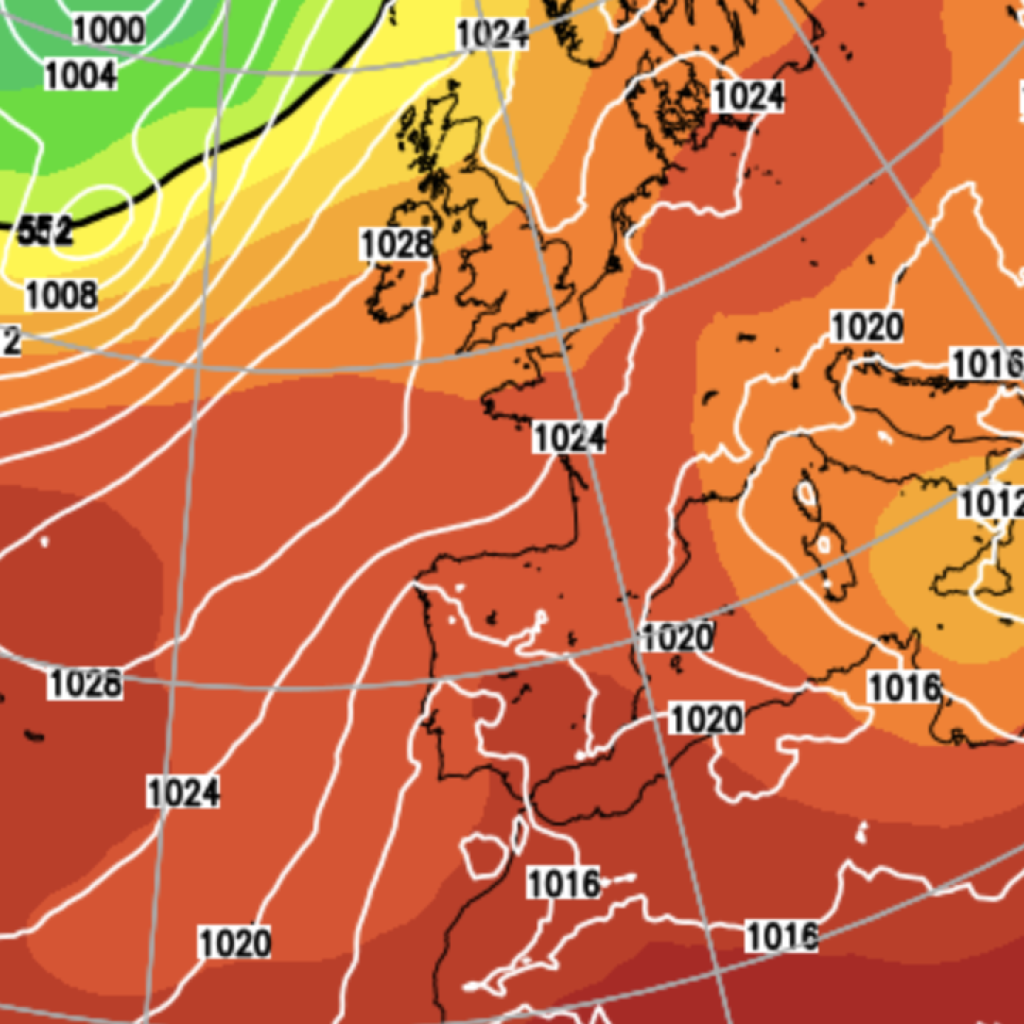
Forecasts predict that this week could be the wettest and windiest so far this autumn, with a strong jet stream propelling low pressure systems across the UK.
However, a brief spell of high pressure could create a chance of clear spells for many parts of England, Wales and Northern Ireland for the second half of the night into Thursday morning.
Viewing conditions for the meteor shower will improve once the Moon sets around 03:00am on Thursday morning.
Our Standards:
The GB News Editorial Charter