Observers across Britain will have the chance to witness tonight’s Beaver Supermoon, which achieves its fullest point this afternoon.
This November lunar event marks the beginning of a sequence of four consecutive supermoons that will continue through February, delivering some of 2026’s most brilliant full moon displays.
Whilst the moon technically reaches maximum illumination during daylight hours today, the optimal viewing opportunity arrives around dusk when the celestial body emerges above the eastern skyline.
The moon is forecast to appear above the horizon at approximately 2.45pm in London, with the sun setting at around 4pm, creating ideal conditions for observation as twilight descends.
Those hoping to catch the spectacle should position themselves with an unobstructed eastward view shortly before sunset for the most dramatic sighting of this astronomical phenomenon.
A curious optical effect will enhance the visual impact when the moon sits low on the horizon this evening, making it appear considerably larger than when positioned higher in the night sky.
This phenomenon, known as the moon illusion, occurs because the celestial body gains visual context when surrounded by terrestrial landmarks such as buildings and trees, creating a perception of increased size despite no actual change in its angular dimensions.
The moon’s distinctive orange or reddish hue at this position results from an atmospheric process called Rayleigh scattering, which filters out blue wavelengths as moonlight traverses a greater expanse of Earth’s atmosphere near the horizon.
Only the longer wavelengths in the yellow, orange and red spectrum manage to reach observers’ eyes, producing the warm colouration familiar from sunset views before the moon gradually whitens whilst climbing higher overhead.
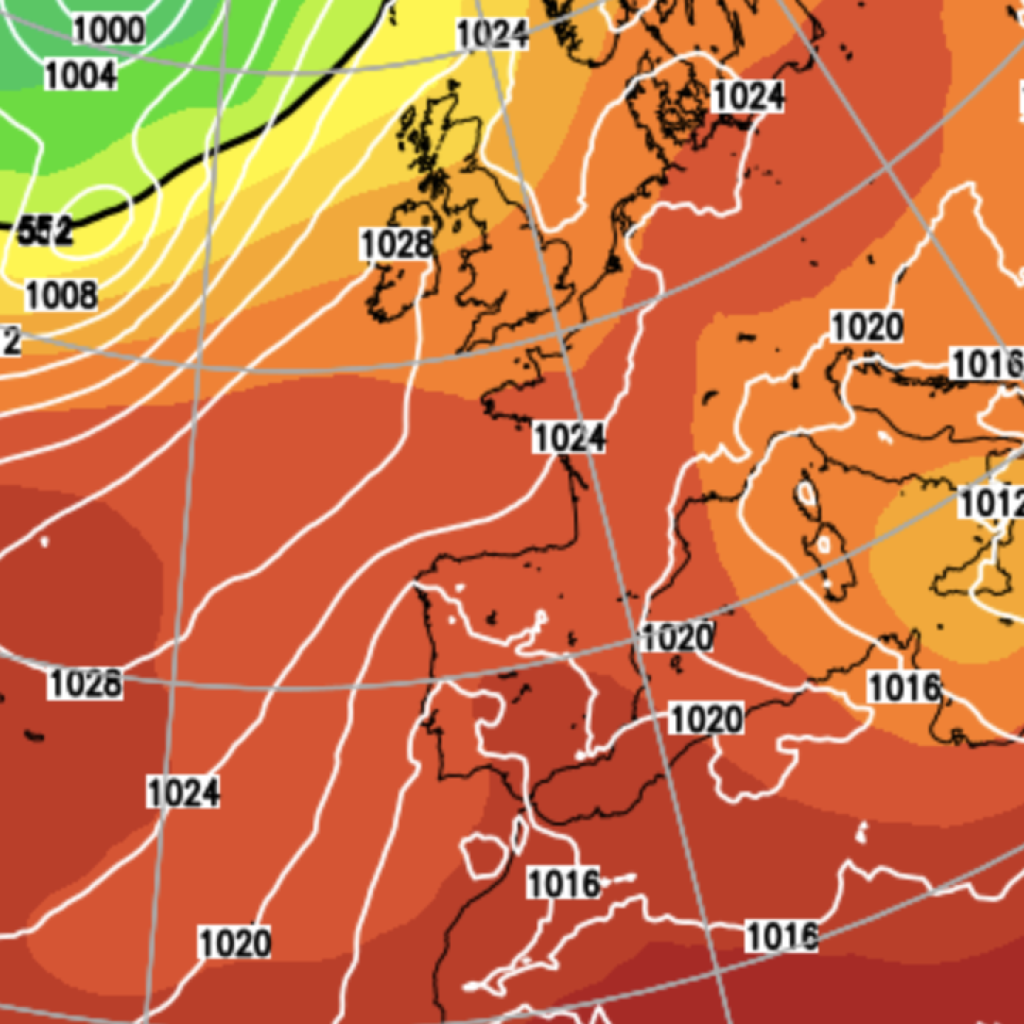
Weather conditions threaten to hamper viewing prospects for those hoping to glimpse the supermoon this evening, according to forecasts issued by the Met Office.
The meteorological service anticipates cloudy skies throughout the day, with mist and overcast conditions developing across the south of England during daytime hours.
Cloud coverage is predicted to persist well into the evening period, although rainfall is not expected, potentially obscuring the moon even as it technically remains above the horizon.
LATEST DEVELOPMENTS
First cold-heath alert of the winter issued as warning issued for vulnerable BritonsOver 50,000 people died of heat-related causes across Europe in ‘deadliest Summer on record’Health alert extended as Britain braces for further freezing conditions
These atmospheric conditions may render observation challenging for those planning to watch the celestial display during tonight’s peak viewing window.
December’s forthcoming Cold Moon promises to surpass tonight’s display, scheduled to become the most prominent full moon of the entire year on Christmas Eve.
That late-year supermoon will position itself nearer to Earth than any full moon has approached since 2018, delivering the brightest and most sizeable lunar appearance of 2026.
Following December’s exceptional display, January’s Wolf Moon and February’s Snow Moon will complete the quartet of consecutive supermoons extending into early 2027.
February’s event carries additional astronomical significance beyond its supermoon classification, as the full moon will pass through Earth’s outer shadow to produce a penumbral lunar eclipse.
This subtle eclipse occurs when the moon traverses the fainter exterior portion of our planet’s shadow cone, creating a barely perceptible dimming visible to patient observers under clear skies.
Our Standards: The GB News Editorial Charter